
Friday Bric-a-Brac
Curiosities and observations--light things today

I missed observing here, two days ago, the dies natalis in 1989 of Fr. John C. Ford, S.J..
Why do I privately commemorate the anniversary of Fr. Ford? He wrote several illuminating works in moral theology in the 1960s.
But I esteem him above all for his trenchant essay against U.S. incendiary bombing of cities in World War II, “The Morality of Obliteration Bombing.” He published this essay while the war was on-going and before, because of Dresden, everyone could see that there was a problem.
You can access my copy of it here, and, if you do, and you read the essay, and you are a subscriber, you will say to yourself, “I’m happy I’ve subscribed to Michael Pakaluk’s Substack for this one article alone.” And if you are not a subscriber, you might choose to subscribe. And if you are a free subscriber, out of gratitude you might choose to upgrade!
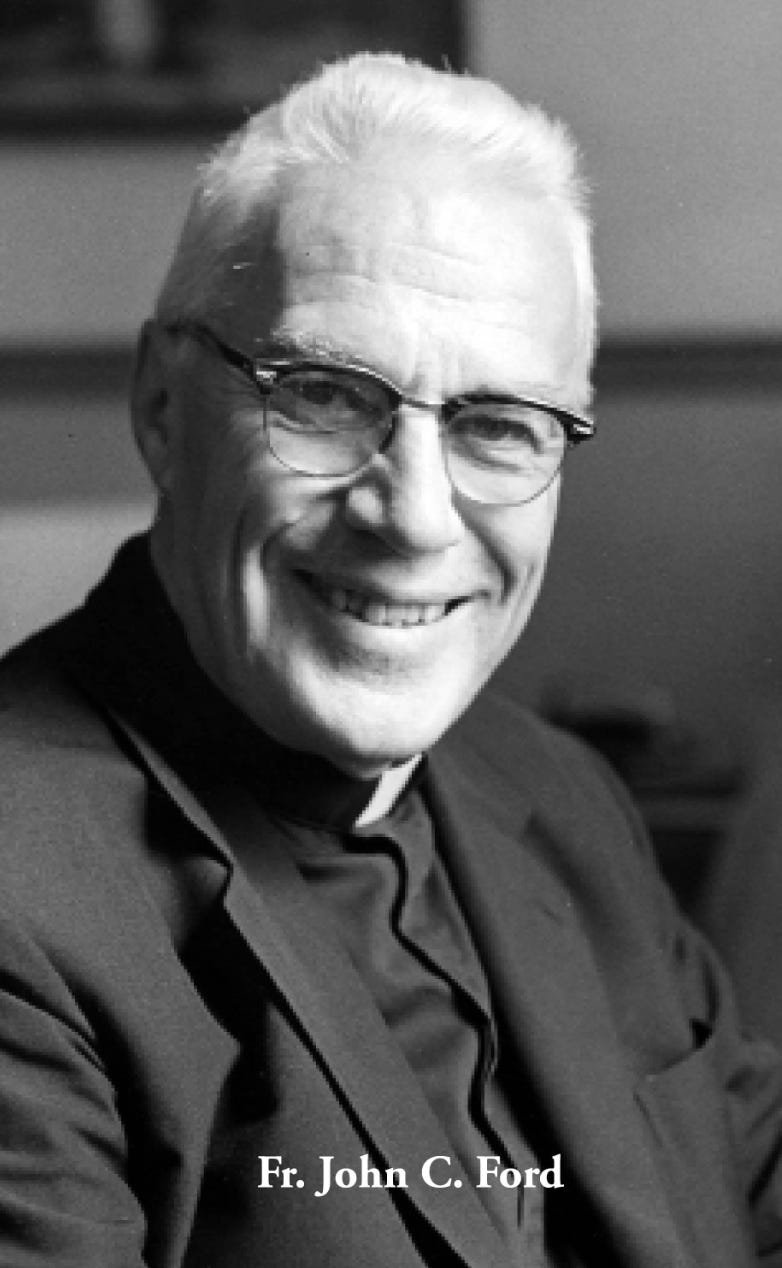
By the way, “C” stands for “Cuthbert.”
Yesterday a book arrived from the University of Pittsburgh Press, a comparison of the philosophy of Aristotle and Ayn Rand:
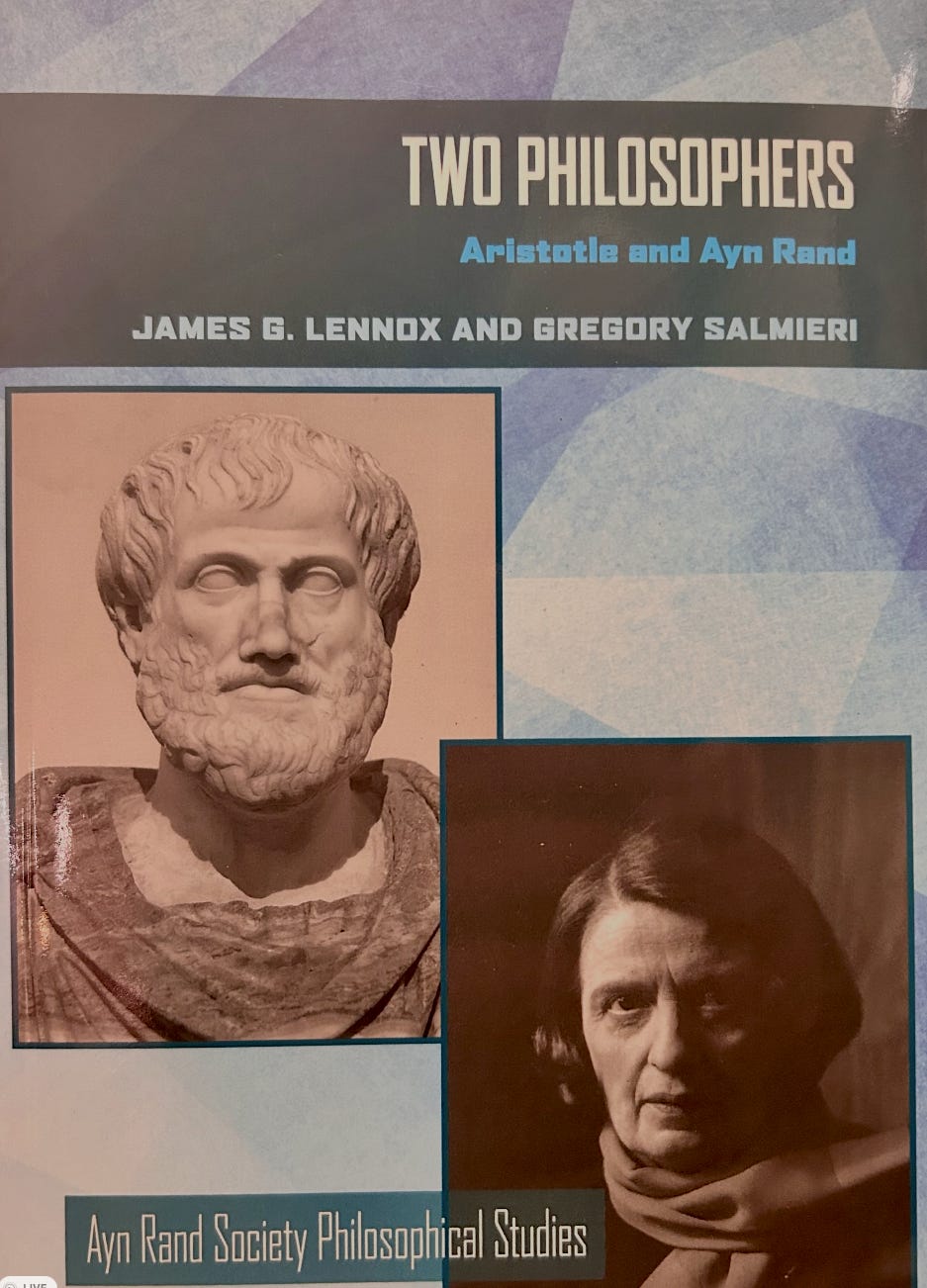
The Press had asked me to review it and to write a blurb, which I was happy to do, because the study was executed at a very high level from both sides:
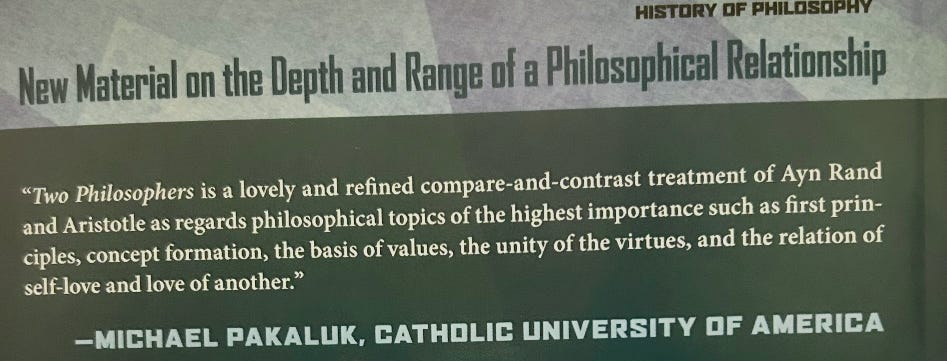
I think they wanted a recommendation that it was a serious work, as it is, not the product of a sect. It’s the first place I would send someone for a balanced grasp of Randian egoism.
Was curious to see this headline in the Wall Street Journal yesterday:
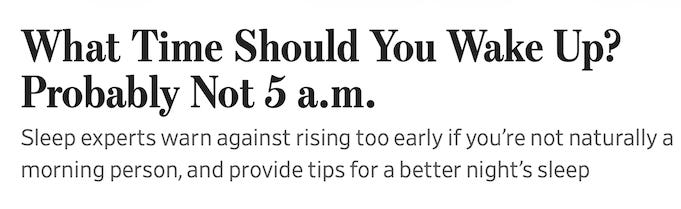
The article says that there is a buzz among “CEOs and elite athletes” that you need to wake up at 5 am to be successful at the highest levels, but that most people ought not try to follow this advice.
My reaction when I first saw the headline? “5 am is so late. I’d be a failure if I woke up that late.” ;-)
I was wondering about AI fitness programs, which are all the rage this year. I have three questions.
First, will they help people persevere in New Year’s fitness resolutions?
Second, why do people like being told by someone else what to do?
Third, why don’t we see a similar phenomenon as regards intellectual or spiritual “fitness”?
If you follow the AI program, you open it up for the day and you find a prescribed regimen of cardio, resistance, stretching, etc, designed just for you. You don’t need to deliberate or choose. The program is progressive but also adjusts, say, if you miss a day or if something is too difficult or too easy.
My answers are that:
(ad 1) It will help people to persevere, because the resolution to follow the program is so simple. That indeed is what you resolving, simply, to follow what the program tells you to do.
(ad 2) We correctly presume (contra J.S. Mill) that others can see our good better than we can.
(ad 3) People look for AI programs to replace what a trainer or coach can do, and yet very few people, as it is, are looking for a trainer or coach in these matters. (But they should. Such a trainer in spiritual matters is called a “spiritual director.” In intellectual matters, a “tutor” or “mentor.” Imagine this New Year’s resolution: follow the advice of my spiritual director. Or, I know so little about St. Thomas that I will look to hire a tutor.)